

Achieving academic excellence doesn’t require superhuman effort or innate genius. What it does require is understanding how your brain processes information and implementing study techniques that align with proven learning science. The difference between students who consistently earn high grades and those who struggle often comes down to strategy, not inherent ability.
This comprehensive guide explores seven scientifically-backed study techniques that have helped countless students transform their academic performance. Whether you’re preparing for major exams, tackling challenging coursework, or simply looking to optimize your learning process, these strategies will give you a competitive advantage.
1. The Pomodoro Technique: Mastering Time Management Through Strategic Breaks
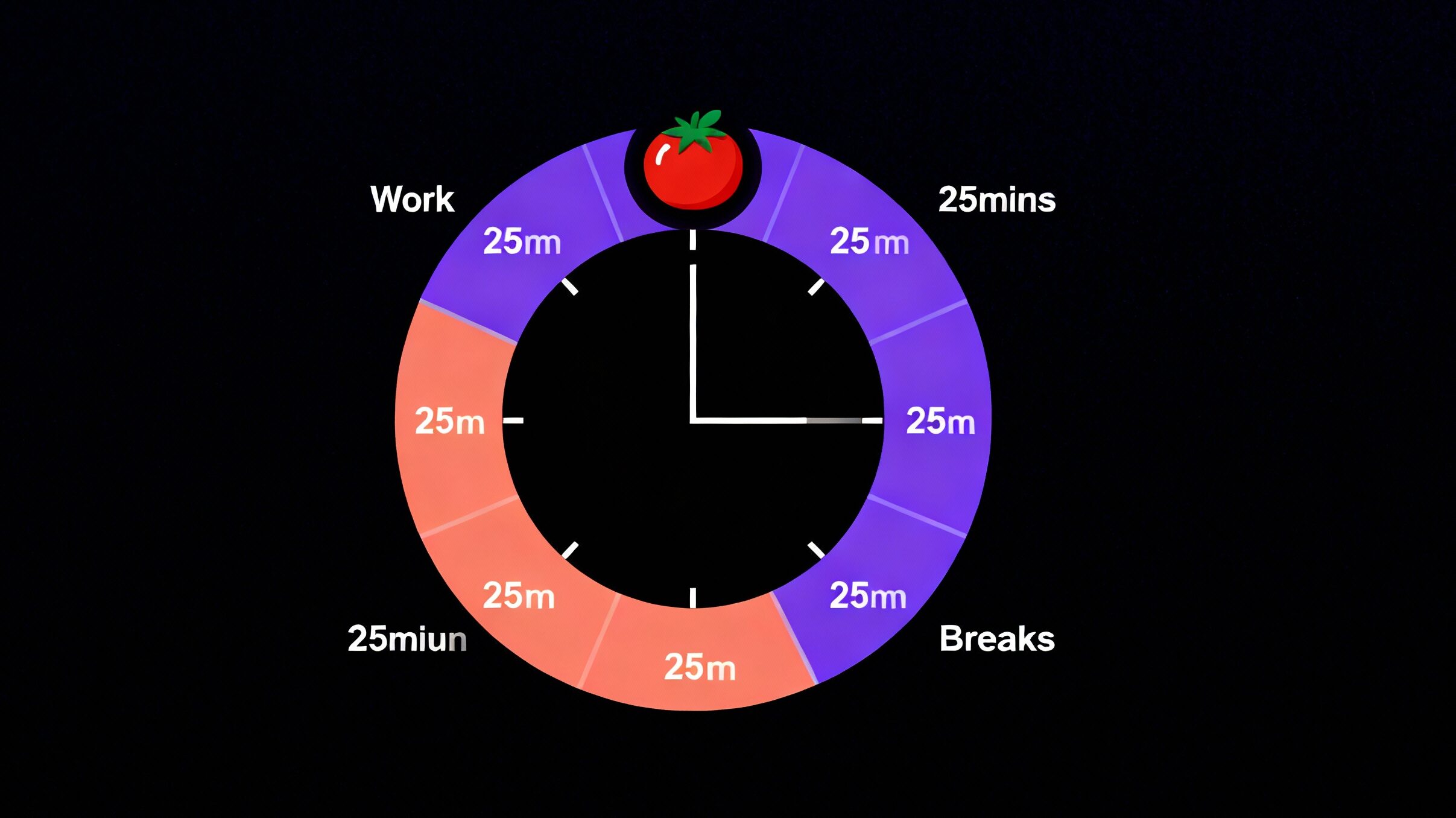
The Pomodoro Technique represents one of the most effective time management strategies for students. This method involves breaking your study sessions into focused 25-minute intervals, separated by short 5-minute breaks. After completing four cycles, you take a longer 15-30 minute break.
Why This Works:
Your brain has a natural attention span limit. After approximately 25 minutes of focused work, cognitive performance begins to decline. The Pomodoro Technique leverages this biological reality by forcing strategic breaks that allow mental recovery. These breaks prevent burnout and maintain consistent focus throughout your study session.
Practical Application:
Begin by identifying a specific subject or topic you need to study. Set a timer for 25 minutes and eliminate all distractions—put your phone in another room, close unnecessary browser tabs, and notify others that you’re unavailable. When the timer sounds, take a full five-minute break. Use this time to stretch, grab water, or step outside. After four complete cycles, reward yourself with a longer break where you can do something you enjoy.
How to Apply for Study Abroad With Low Budget – Complete Beginner Guide 2026
2. Active Recall: Transform Passive Reading Into Powerful Learning

Active recall is the practice of retrieving information from memory without looking at your notes or textbook. Rather than passively re-reading material, you force your brain to actively retrieve what you’ve learned, which dramatically strengthens memory formation.
The Science Behind Active Recall:
Research in cognitive psychology demonstrates that information retrieved from memory is far more likely to be retained long-term than information simply reviewed. When you challenge your brain to recall information, you’re essentially rewiring neural pathways and cementing those memories.
Implementation Strategies:
After reading a chapter or attending a lecture, close your book or notes. Write down everything you remember without referencing your materials. Alternatively, create flashcards and quiz yourself repeatedly. Another approach involves teaching the material to someone else—explaining concepts in your own words requires retrieving that information from memory. You might also try the Cornell Note-Taking System, which divides your page into sections for notes, key questions, and summary, allowing you to test recall by covering the notes section and answering the questions from memory.
3. Spaced Repetition: Optimal Scheduling for Long-Term Retention
Spaced repetition involves reviewing material at strategically increasing intervals rather than cramming everything into one session. Instead of reviewing content daily for a week before an exam, you review it on days one, three, seven, fourteen, and thirty.
Why Spacing Makes a Difference:
The human brain experiences natural memory decay. Each time you review material before completely forgetting it, you reset the decay curve and strengthen the memory trace. Spacing your reviews optimally means you’re always reviewing just before you would forget, maximizing the strengthening effect while minimizing wasted study time.
Creating Your Spaced Repetition Schedule:
Use digital flashcard apps like Anki or Quizlet, which employ algorithms to automatically schedule reviews based on your performance. If you prefer manual systems, create a calendar marking when you’ll review each topic. Initial reviews might happen within a day or two of learning the material, with subsequent reviews spaced progressively further apart. This approach is particularly effective for language learning, memorizing formulas, historical dates, and other factual information.
4. Interleaving: Mix Different Topics to Strengthen Understanding
Interleaving involves mixing different topics or problem types during study sessions, rather than focusing on one topic for an extended period (called “blocking”). Instead of solving ten addition problems, then ten subtraction problems, you’d alternate between problem types throughout your session.
The Interleaving Advantage:
When you interleave topics, your brain must constantly classify problems and select appropriate strategies, which deepens understanding and improves transfer of knowledge to new situations. Blocked practice feels easier and creates an illusion of mastery, but interleaved practice is more challenging and creates superior long-term learning.
Practical Application in Different Subjects:
For mathematics, alternate between different problem types. For language learning, mix vocabulary words, grammar rules, and conversation practice. When studying history, combine reading primary sources, analyzing historical events, and connecting different time periods. When preparing for comprehensive exams, mix questions from different chapters and topics rather than studying one chapter at a time.
5. The Feynman Technique: Learn by Explaining Simply
The Feynman Technique, named after physicist Richard Feynman, involves explaining a concept in simple language as though teaching it to someone unfamiliar with the subject. This technique immediately reveals gaps in your understanding.
Step-by-Step Process:
First, choose a concept you want to understand. Write an explanation of this concept as if teaching it to a twelve-year-old, using simple language and avoiding jargon. Review your explanation and identify areas where you struggled or used complicated language. Return to your source material to deepen your understanding of these problem areas. Finally, refine your simple explanation until it flows naturally and covers all important aspects.
Why Simple Explanations Matter:
Genuine understanding allows you to explain concepts simply. When you resort to jargon or complicated language, it often masks incomplete understanding. By forcing yourself to explain clearly and simply, you identify exactly what you don’t understand and correct those gaps immediately.
6. Practice Testing: Assess and Strengthen Knowledge Simultaneously
Practice testing goes beyond passive review by actually testing yourself on material before formal exams. This includes taking practice tests, answering sample questions, and completing practice problems.
The Testing Effect:
Decades of research confirm that retrieval practice (taking tests) produces stronger memory than study alone. The act of retrieving information from memory during a test actually strengthens that memory more effectively than any other study method. Practice testing also identifies knowledge gaps early, allowing you to focus additional study on weak areas.
Implementing Effective Practice Testing:
Use official practice exams if available for standardized tests. For regular coursework, create your own questions based on lectures and readings. Many textbooks include practice problems—use these extensively. Online platforms like Khan Academy and subject-specific practice sites provide thousands of practice questions. Time yourself during practice tests to simulate exam conditions. Most importantly, review your mistakes thoroughly, understanding not just the correct answer but why you chose the wrong one.
7. Elaboration: Connect New Information to Existing Knowledge
Elaboration involves connecting new information to knowledge you already possess, creating meaningful associations that enhance memory and understanding. Rather than memorizing isolated facts, you build networks of connected information.
Building Your Knowledge Network:
When learning new material, ask yourself questions like: “How does this relate to what I already know?” “Where have I encountered similar concepts?” “How could I apply this information?” “What real-world examples illustrate this principle?” These questions force your brain to elaborate on new information and integrate it with existing knowledge.
Application Examples:
When learning history, connect events to causes and effects. When studying biology, relate new concepts to broader biological principles. When learning languages, connect grammar rules to patterns you’ve noticed. This elaborated knowledge is far more retrievable and transferable than isolated facts.
Combining Techniques for Maximum Effectiveness

The most effective study strategy combines multiple techniques rather than relying on a single method. A comprehensive study session might look like this:
Begin with the Pomodoro Technique to structure your time. During each 25-minute session, use active recall by testing yourself rather than re-reading. Schedule your material review using spaced repetition principles. Mix different topics using interleaving. When you struggle with concepts, apply the Feynman Technique to deepen understanding. Use practice testing to identify knowledge gaps. Finally, elaborate on new information by connecting it to your existing knowledge.
Common Study Mistakes to Avoid
Passive Re-reading: Simply reading and re-reading material creates an illusion of familiarity without building true memory or understanding.
Cramming: Last-minute intensive studying cannot compete with spaced repetition and misses the memory consolidation that occurs during sleep between study sessions.
Ineffective Note-Taking: Transcribing lectures verbatim without processing information wastes time. Instead, capture key ideas and add your own clarifications and connections.
Ignoring Weak Areas: Spending entire study sessions reviewing material you already know well represents wasted effort. Focus more time on challenging material.
Studying in Distracting Environments: Your environment significantly impacts focus and retention. Study in quiet spaces free from digital distractions.
Developing Your Personal Study System

Effective studying isn’t one-size-fits-all. Different subjects and learning styles may benefit from different technique combinations. Experiment with various approaches to discover which techniques work best for you. Track your exam performance as you implement different strategies. Over time, you’ll develop a personalized study system optimized for your learning style and academic goals.
Remember that developing strong study skills is an investment that pays dividends throughout your academic career and beyond. These techniques transfer to professional learning environments, enabling you to master new skills efficiently regardless of your field.
Academic success emerges from implementing evidence-based study strategies rather than relying on luck or natural ability. The seven techniques outlined in this guide—the Pomodoro Technique, active recall, spaced repetition, interleaving, the Feynman Technique, practice testing, and elaboration—represent the cutting edge of learning science.
By implementing these strategies, you’ll study more efficiently, retain information longer, and perform better on exams. Start with one or two techniques and gradually integrate others into your routine. Consistent application of these methods will transform not just your grades, but your entire approach to learning.
The next exam you take could be the first one where you apply these powerful study techniques. Your academic transformation begins now.