

You don’t need a complicated system to get more done. You need simple daily habits for productivity that you can repeat almost on autopilot.
In the next 30 days, these 15 small habits can help you:
- Work with more focus
- Reduce procrastination
- Feel less overwhelmed
- End your day with a clear mind
You don’t have to do all 15 at once. Start with a few, then build up.
How to Use These Habits Over the Next 30 Days
To avoid burnout, approach this as a 30‑day productivity experiment:
- Week 1: Start with 3 habits
- Week 2: Add 3 more
- Week 3: Add another 3
- Week 4: Refine and keep only what truly works
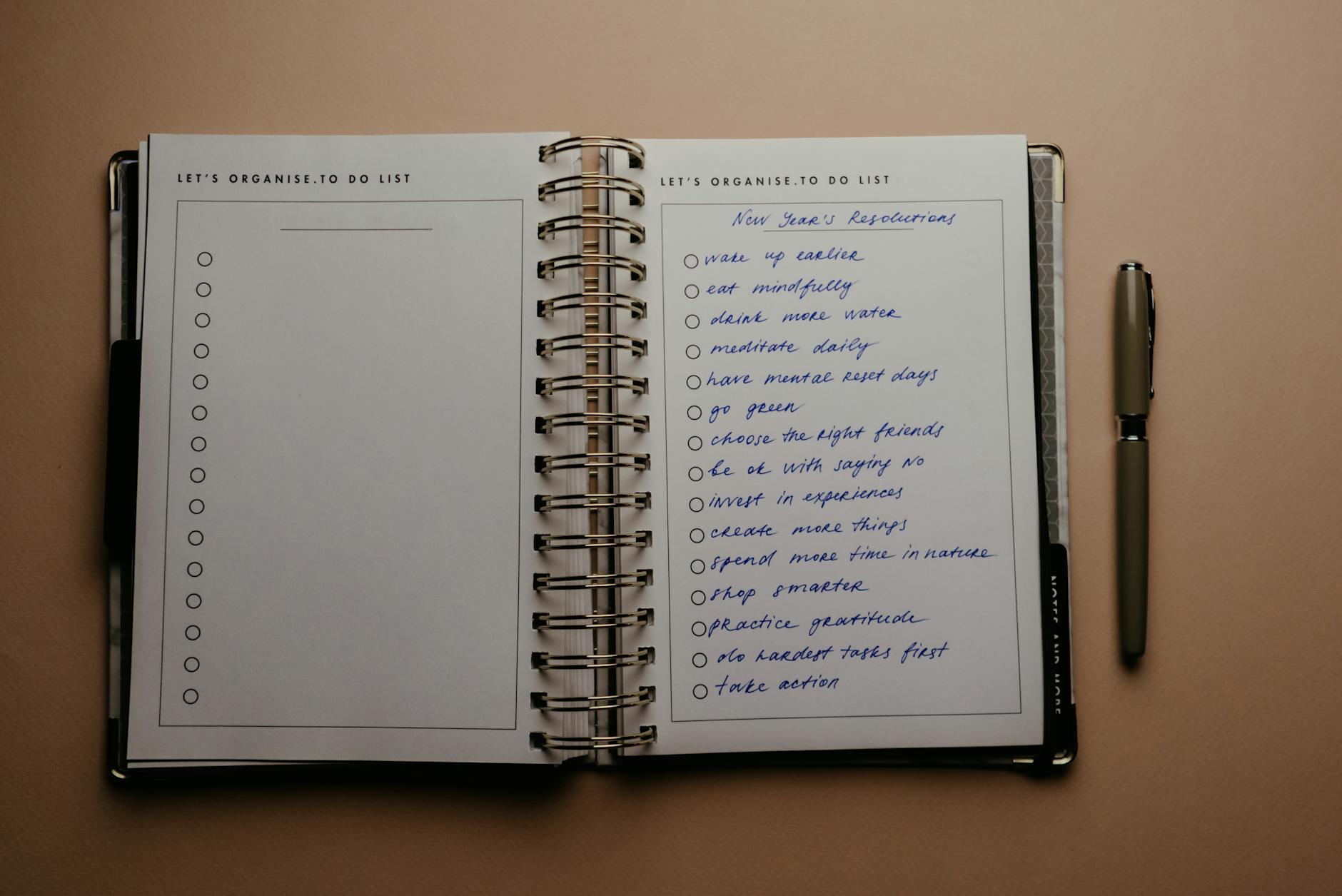
Keep a simple tracker (notebook, Google Sheets, or app) and tick each habit you complete daily. Tracking alone can increase follow‑through.
15 Simple Daily Habits That Boost Productivity
1. Start Your Day with a 5‑Minute Plan
Before checking email or social media, take five minutes to plan your day.
How to do it:
- Write your top 3 priorities for the day (your MITs – Most Important Tasks)
- Block approximate time for each priority
- Decide what “success” looks like by the end of the day
This protects your day from being hijacked by other people’s agendas.
2. Use the “Top 3 Tasks” Rule
Instead of a long, overwhelming to‑do list, focus on just three key tasks that move you forward.
Quick steps:
- Choose 1 big task + 2 smaller tasks
- Do at least one of them before lunch
- Treat them as non‑negotiable (unless there’s a true emergency)
This habit keeps you from being “busy but not productive.”
3. Time‑Block Your Calendar
Time blocking means assigning specific time slots to specific work, instead of working reactively.
How to implement:
- Open your calendar and block:
- 1–2 deep‑work blocks (60–90 minutes each)
- Admin time (emails, messages, small tasks)
- Breaks and lunch
- Stick to blocks as if they were appointments with yourself
Many productivity experts, including writers in Harvard Business Review, highlight time blocking as a powerful way to manage energy and attention.
4. Follow the 10‑Minute Rule to Beat Procrastination
When you feel stuck, commit to working on a task for just 10 minutes.
Why it works:
- It bypasses resistance by lowering the starting barrier
- Once you start, you usually keep going
- Even if you stop after 10 minutes, you’re still ahead
Set a timer, work for 10 minutes, then decide whether to continue.
5. Practice Single‑Tasking (Not Multitasking)
Multitasking feels productive but often reduces efficiency and increases errors.
Single‑tasking habit:
- Choose one task
- Close unrelated tabs and apps
- Put your phone face down or in another room
- Work on that task only for 25–50 minutes
You’ll often finish faster and with better quality.
6. Use Short Focus Sprints (Pomodoro Style)
Focus sprints help you concentrate in short bursts with regular breaks.
Simple method:
- Work 25 minutes, focus fully
- Take a 5‑minute break
- After 3–4 rounds, take a longer break (15–30 minutes)
You can adjust sprint length (e.g., 50/10 minutes) to your preferences.
7. Do a 5‑Minute Evening Review
End your workday by reviewing what happened and preparing for tomorrow.
Evening review checklist:
- Note what you accomplished
- List unfinished tasks and re‑prioritize them
- Set your top 3 tasks for tomorrow
- Tidy your workspace for a fresh start
This closes mental loops so it’s easier to disconnect and relax.
8. Limit Notifications and Digital Distractions
Constant notifications destroy focus and drain willpower.
Daily habit ideas:
- Turn off non‑essential notifications (social media, promos, games)
- Put your phone on Do Not Disturb during focus blocks
- Check email and messages only at set times (e.g., 11am and 4pm)
Even a small reduction in interruptions can significantly improve your output.
9. Schedule Movement Breaks
Physical movement boosts blood flow, improves focus, and reduces stress.
Movement habit:
- Set a timer to stand up every 60–90 minutes
- Do 1–3 minutes of stretching, walking, or light exercises
- If possible, take a 10–15 minute walk daily
Research shows regular physical activity improves energy and cognitive performance. For more on the benefits, see the CDC’s physical activity guidelines.
If you want to support your energy with better food choices, check out your own guide on simple nutrition tips for busy people.
10. Protect Your Sleep Window
Productivity is almost impossible without decent sleep. Aim for a consistent sleep and wake time, even on weekends.
Sleep habit ideas:
- Choose a realistic 7–9 hour sleep window
- Avoid screens or bright light 30–60 minutes before bed
- Keep your bedroom dark, cool, and quiet
Good sleep is a key part of mental performance; see the Sleep Foundation’s sleep hygiene guide for more science‑based tips.
11. Use a Single “Capture System” for Ideas and Tasks
Scattered notes and reminders create mental clutter. Use one place to capture everything.
Options:
- A small notebook you carry everywhere
- A simple app like Google Keep, Notion, or Todoist
- A single notes file named “Inbox”
Later, process this inbox: delete, delegate, schedule, or do.
12. Tidy Your Workspace for 5 Minutes a Day
A messy environment can subtly increase stress and reduce clarity.
Daily reset:
- At the end of the day, spend 5 minutes to:
- Clear trash and dishes
- Put items back where they belong
- Arrange tomorrow’s essentials (laptop, notebook, water)
This tiny habit sets you up for a calmer, more focused morning.
13. Batch Similar Tasks
Switching between different types of tasks wastes mental energy. Batching reduces context switching.
Examples of batching:
- Answer emails in 2–3 chunks instead of all day
- Make all phone calls at once
- Do administrative work in a single block
You’ll feel less scattered and more in control.
14. Set Clear Boundaries for Social Media
Social feeds are designed to grab your attention. Use them intentionally, not automatically.
Boundary ideas:
- Decide on specific time windows for social media (e.g., 15 minutes after lunch and 15 minutes in the evening)
- Keep apps off your home screen
- Log out after use to add a little friction
This frees up time and attention for what actually matters.
15. End the Day with a 3‑Line Reflection
A short daily reflection keeps you learning and adjusting, without a long journal session.
Each evening, write:
- One thing that went well
- One thing that didn’t go well
- One thing you’ll do differently tomorrow
Psychologists emphasize that small, consistent reflections help reinforce new habits over time. For example, the American Psychological Association notes that repetition with awareness makes habits stick.
Sample 30‑Day Productivity Challenge
Here’s one way to structure your next month:
- Week 1:
- Habit 1 – 5‑Minute Morning Plan
- Habit 2 – Top 3 Tasks
- Habit 7 – 5‑Minute Evening Review
- Week 2:
- Habit 3 – Time Blocking
- Habit 6 – Focus Sprints
- Habit 11 – Single Capture System
- Week 3:
- Habit 8 – Limit Notifications
- Habit 9 – Movement Breaks
- Habit 12 – 5‑Minute Workspace Tidy
- Week 4:
- Habit 10 – Sleep Window
- Habit 13 – Task Batching
- Habit 14 – Social Media Boundaries
- Habit 15 – 3‑Line Reflection
At the end of 30 days, keep the 5–7 habits that made the biggest positive difference and let go of the rest.
Helpful Tools and Apps (Optional but Useful)
You don’t need apps, but they can support your simple daily habits for productivity:
- Calendar: Google Calendar or Outlook for time blocking
- Tasks: Todoist, Microsoft To Do, or a paper planner
- Focus timers: Forest, Pomodoro Timer, or a basic phone timer
- Notes & capture: Notion, Evernote, or Google Keep
Choose one tool per function and stick with it for at least a month.
Final Thoughts
Productivity is less about working harder and more about working with intention. These 15 daily habits are simple on purpose:
- They take only a few minutes each
- They’re realistic for busy people
- They compound over time
Start with just one or two habits this week—such as the 5‑minute morning plan and the top 3 tasks rule—and let your results build from there.